




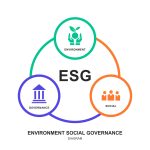

Businesses around the world are undergoing a transformation. What was once considered an optional approach to corporate responsibility is now becoming a core requirement for long term success. Environmental, Social and Governance practices, commonly known as ESG, are shaping the way organisations operate, invest and grow. Companies that embrace sustainability are not only contributing to a better world, they are also positioning themselves ahead of competitors in an evolving marketplace.
Understanding ESG in the Modern Business Landscape
ESG refers to a framework used to evaluate how a company manages its environmental impact, social responsibilities and governance standards. Investors, regulators and consumers increasingly use these factors to assess the long term viability of businesses. A strong ESG strategy demonstrates transparency, accountability and a commitment to ethical operations.
Environmental factors include how a company manages energy consumption, waste reduction, carbon emissions and sustainable resource usage. Social aspects focus on employee welfare, community engagement, diversity and fair labour practices. Governance addresses leadership structures, business ethics, compliance and responsible decision making.
Together, these elements form a comprehensive approach to responsible business management.
Investor Expectations Are Changing
Investors today are no longer focused solely on short term profits. They are increasingly analysing companies through the lens of sustainability and risk management. Businesses with strong ESG performance are often viewed as more resilient, transparent and capable of managing future challenges.
Large institutional investors are actively directing capital towards organisations that demonstrate responsible environmental and social practices. Companies that ignore ESG considerations may face reduced access to investment opportunities and increased scrutiny from stakeholders.
This shift is encouraging organisations to integrate ESG principles into their strategic planning and reporting processes.
Customer Trust and Brand Reputation
Modern consumers are more conscious about the impact of their purchasing decisions. Many customers prefer to support businesses that demonstrate genuine commitment to sustainability and ethical practices.
Companies that actively communicate their ESG initiatives often build stronger brand trust and long term customer loyalty. Transparent policies related to environmental protection, fair labour practices and community engagement contribute to a positive public image.
Businesses that fail to meet these expectations risk losing credibility in an increasingly socially aware market.
Operational Efficiency Through Sustainability
Adopting ESG principles can also lead to improved operational efficiency. Sustainable practices often reduce energy consumption, minimise waste and optimise resource management.
For example, organisations that invest in renewable energy or energy efficient technologies can significantly lower operating costs over time. Similarly, implementing responsible supply chain practices can reduce risks and enhance productivity.
Sustainability is not only about responsibility. It also makes sound business sense.
Regulatory Pressures and Compliance
Governments and regulatory bodies across the world are introducing stricter environmental and governance regulations. Businesses that proactively adopt ESG frameworks are better prepared to comply with evolving legal requirements.
Organisations that delay implementing ESG policies may face penalties, reputational damage or operational restrictions. Proactive compliance helps businesses maintain stability while demonstrating leadership in responsible corporate governance.
Building a Future Ready Organisation
Companies that prioritise ESG are better positioned to adapt to global challenges such as climate change, social inequality and economic uncertainty. By integrating sustainability into their core strategies, businesses can strengthen resilience and maintain long term growth.
Forward thinking organisations recognise that ESG is not simply a trend. It represents a shift in how businesses create value for stakeholders, communities and the environment.
Conclusion
The future of business is closely tied to sustainability and responsible governance. Companies that embrace ESG principles are gaining competitive advantages, attracting investment and building stronger relationships with customers and employees.
As the global economy continues to evolve, organisations that integrate environmental responsibility, social accountability and ethical governance into their operations will be the ones that lead the way forward.