




Introduction
Businesses today operate in an environment where transparency, responsibility, and sustainability are no longer optional expectations. Investors, regulators, customers, and employees increasingly expect organisations to demonstrate how they manage their environmental impact, social responsibilities, and governance practices. Environmental, Social and Governance, commonly referred to as ESG, has therefore become a central framework guiding how modern organisations measure and improve their long term sustainability performance.
In the past, sustainability initiatives were often treated as optional corporate responsibility projects. Today, however, ESG strategy is rapidly becoming a core component of business strategy. Organisations that integrate ESG principles into their operations are not only better prepared for regulatory changes but also better positioned to build trust, attract investment, and create long term value.
What ESG Means for Businesses
Environmental, Social and Governance refers to a set of criteria used to evaluate how responsibly and sustainably a company operates.
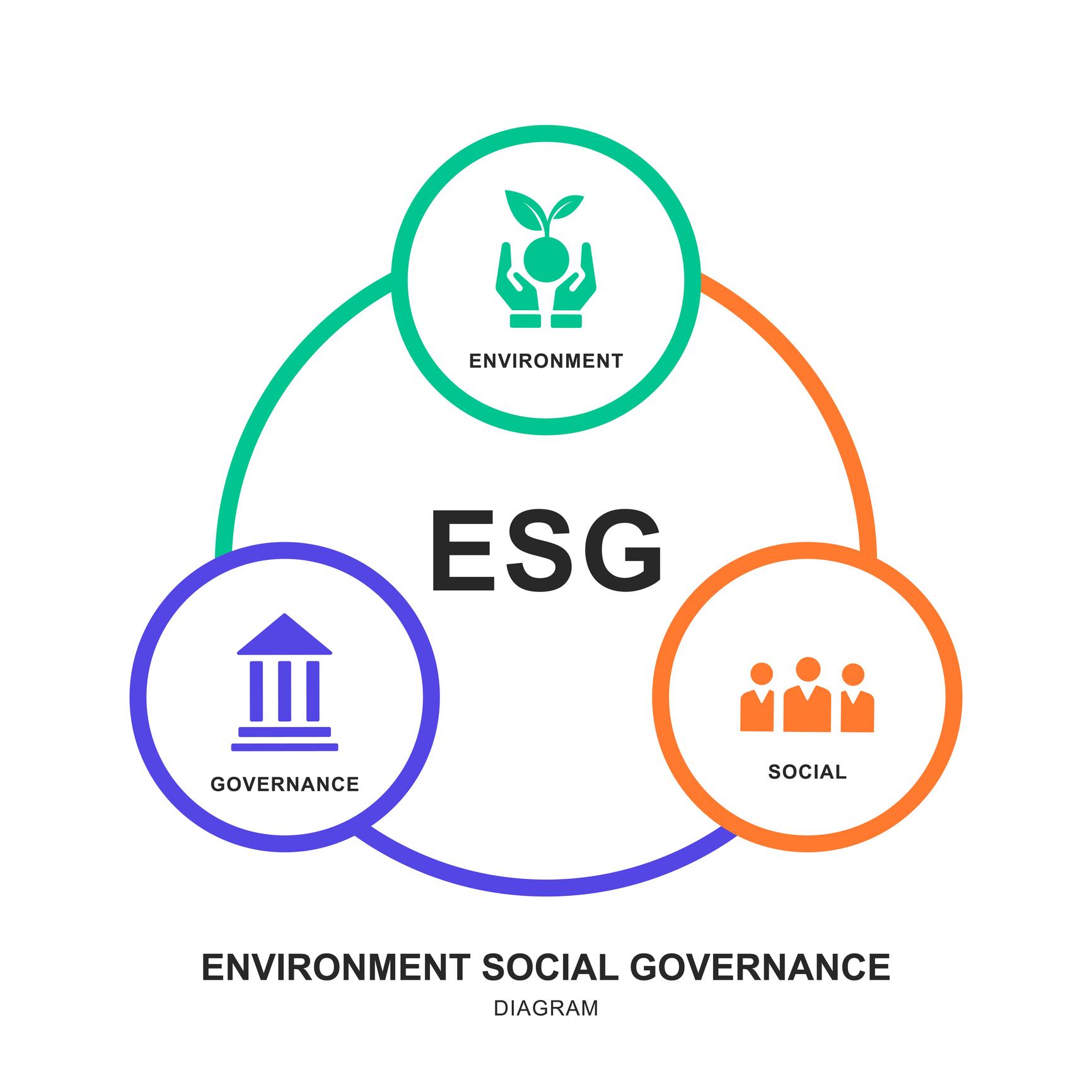
Environmental factors focus on how a business interacts with the natural environment. This includes areas such as carbon emissions, energy efficiency, waste management, water use, and climate impact.
Social factors examine how organisations manage relationships with employees, customers, communities, and other stakeholders. This includes labour practices, diversity and inclusion, employee wellbeing, data protection, and community engagement.
Governance relates to how companies are directed and controlled. It includes board structure, ethical leadership, transparency, executive compensation, risk management, and compliance with regulations.
Together, these three pillars provide a comprehensive framework for evaluating the sustainability and ethical impact of business activities.
The Growing Importance of ESG
The global business landscape has changed significantly in recent years. Climate change, social inequality, regulatory pressure, and growing stakeholder expectations have forced organisations to reconsider how they operate.
Investors increasingly use ESG metrics when making investment decisions. Companies with strong ESG performance are often seen as lower risk and better prepared for future economic and regulatory challenges.
Consumers are also becoming more conscious of the environmental and social impact of the products and services they purchase. Organisations that demonstrate responsible practices often build stronger brand loyalty and customer trust.
Additionally, governments and regulatory bodies are introducing new reporting requirements that require companies to disclose sustainability performance and climate related risks.
These developments mean that ESG is no longer just about reputation. It has become a critical factor influencing investment, growth, and long term competitiveness.
Benefits of Adopting an ESG Strategy
Implementing a well structured ESG strategy provides several important benefits for organisations.
A strong ESG framework improves risk management by helping organisations identify environmental, social, and governance risks before they become major issues. This proactive approach allows companies to build resilience and adapt more effectively to changing conditions.
ESG strategies also strengthen investor confidence. Many institutional investors now prioritise companies that demonstrate strong ESG performance because they are viewed as more stable and sustainable over the long term.
Operational efficiency is another advantage. Initiatives such as energy efficiency, waste reduction, and sustainable supply chains often reduce costs while also lowering environmental impact.
Companies that prioritise ESG also attract and retain talented employees. Many professionals today prefer to work for organisations that demonstrate clear values and a commitment to responsible business practices.
Key ESG Reporting Frameworks
To ensure transparency and accountability, organisations often follow recognised ESG reporting frameworks.
Some of the most widely used frameworks include the Global Reporting Initiative, the Sustainability Accounting Standards Board, and the Task Force on Climate related Financial Disclosures.
These frameworks help companies measure sustainability performance, track progress, and communicate results to investors, regulators, and other stakeholders.
Choosing the right framework depends on the industry, regulatory environment, and strategic goals of the organisation.
Steps to Implement an Effective ESG Strategy
Developing an effective ESG strategy requires a structured and thoughtful approach.
The first step is to conduct an ESG assessment to understand the organisation’s current environmental, social, and governance performance. This helps identify key risks and opportunities.
Next, organisations should define clear ESG goals aligned with their overall business strategy. These goals may include reducing carbon emissions, improving diversity and inclusion, strengthening governance practices, or enhancing supply chain sustainability.
Once goals are defined, companies must implement policies, processes, and systems to support ESG initiatives. This may involve adopting new technologies, improving reporting systems, and training employees.
Finally, organisations should measure progress and communicate ESG performance regularly through sustainability reports and stakeholder engagement.
How ESG Advisors Support Organisations
Implementing ESG strategies can be complex, especially for organisations navigating new regulations and reporting standards. ESG advisors play an important role in helping businesses develop effective sustainability frameworks.
Advisory support can include ESG assessments, strategy development, sustainability reporting, regulatory compliance guidance, and stakeholder engagement strategies.
By working with experienced ESG consultants, organisations can accelerate their sustainability journey while ensuring that their strategies are aligned with global best practices.
Conclusion
Environmental, Social and Governance considerations are reshaping how businesses operate and how stakeholders evaluate corporate performance. Organisations that proactively integrate ESG principles into their strategy are better positioned to manage risks, build trust, and create sustainable value.
As global expectations around sustainability continue to evolve, ESG strategy will remain an essential component of responsible and resilient business leadership.